HF RFID Dry Inlays for Label and Card Converting
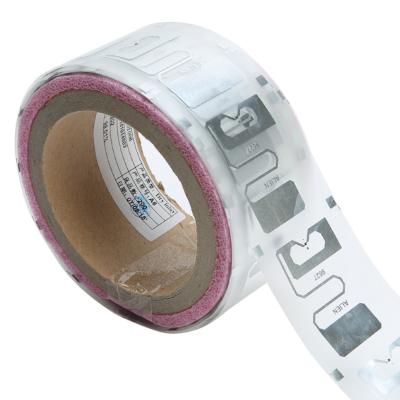
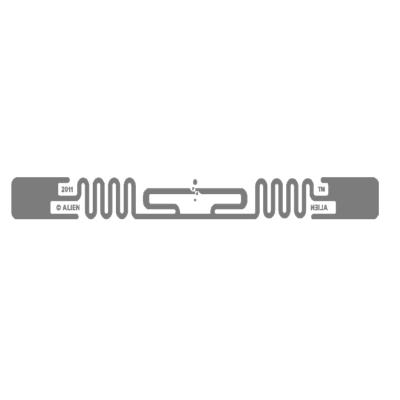
HF RFID dry inlays are the RFID engine inside a finished label, card, or smart package. Each inlay combines a chip and antenna on a PET substrate, but it has no adhesive and is not a finished label. The converter adds the face material, adhesive, liner, printing, and final product structure.
This page is for label converters, card manufacturers, packaging teams, and OEM buyers evaluating a 13.56 MHz dry-inlay roll. Confirm the chip, protocol, pitch, web format, laminate process, and reader requirements before production.
Request a dry-inlay quote | Send your pitch, web, and converting requirements
What a Dry Inlay Is - and Why It Is Not a Finished Label
-
Chip, antenna, and PET substrate: The inlay provides the RFID function, but not the printed surface or final adhesive structure.
-
No adhesive layer: The converter decides how the inlay will be laminated, bonded, or embedded into the finished product.
-
Roll-to-roll processing: The inlay is supplied for converting equipment, so pitch, web width, roll direction, and registration marks matter.
-
Not interchangeable with a wet inlay: A wet inlay already includes adhesive and a liner, while a dry inlay is intended for further converting.
-
Performance must be tested after conversion: Lamination, pressure, temperature, trimming, and final materials can change read performance.
What Converters Need to Match Before Running the Web
-
Pitch and antenna position: The inlay pitch must match the printed label, eye mark, die position, and finished product layout.
-
Chip and protocol: HF is 13.56 MHz, but the inlay may use different HF protocols or chips. The reader and software requirements must be confirmed.
-
Web width and roll direction: The roll must fit the unwinder, web path, registration system, and laminating station.
-
Lamination process: Temperature, pressure, adhesive type, curing, and face material can damage the chip or shift the antenna.
-
Read performance after converting: The finished label, card, or package must be tested with the actual reader, antenna, and data format.
Inlay Specification Checklist
|
Item
|
Known or Typical Direction
|
Confirm Before Ordering
|
|
RFID frequency
|
HF, 13.56 MHz
|
Exact HF protocol and reader compatibility
|
|
Construction
|
Chip and antenna bonded to PET substrate, no adhesive
|
Substrate thickness, antenna type, and inlay dimensions
|
|
Chip and protocol
|
Model-specific
|
IC model, memory, protocol, encoding, and locking requirements
|
|
Inlay pitch
|
High-precision roll pitch
|
Pitch value, tolerance, orientation, and placement on the web
|
|
Roll format
|
Roll supply for converting
|
Web width, core size, roll diameter, winding direction, and splice rules
|
|
Registration
|
Designed for converting equipment
|
Eye marks, pitch marks, antenna-position tolerance, and machine sensor type
|
|
Finished application
|
Labels, cards, or specialty packaging
|
Face material, adhesive, liner, print process, lamination, and final product size
|
Converting Risks That Show Up After Lamination
-
Inlay pitch shifts or stretches under web tension.
-
Chip damage occurs during lamination, die cutting, or embossing.
-
The antenna moves relative to the printed graphic or eye mark.
-
Adhesive or face material changes the read performance.
-
Static causes misfeeds, double feeds, or poor web control.
-
The finished product passes a bench test but fails in the real application.
HF Dry Inlay Applications
-
Custom-printed RFID labels and stickers
-
Smart cards and membership credentials
-
Specialty packaging and brand authentication
-
Library, event, or access applications using HF readers
-
Product information and mobile interaction projects
-
OEM conversion programs with custom face materials
Pilot and Incoming Inspection Plan
-
Start with a sample roll that matches the intended pitch, chip, and protocol.
-
Run the inlay through the real unwinder, laminator, printer, and die station.
-
Mark the machine settings used during the trial.
-
Test read performance before and after lamination.
-
Measure pitch, registration, visual defects, and web handling.
-
Confirm the accepted sample and inspection method before volume production.
FAQ
What is the difference between a dry inlay and a wet inlay?
A dry inlay contains the chip, antenna, and PET substrate without adhesive. A wet inlay includes adhesive and a liner and is closer to a finished label.
Can the inlay be used in any RFID label converting machine?
No. The roll format, pitch, web width, winding direction, sensor marks, and tension requirements must match the converter. Confirm the machine setup before ordering.
Which protocol is used for an HF dry inlay?
HF operation is 13.56 MHz, but different chips use different protocols or memory layouts. Confirm the exact IC, protocol, reader, and application requirement.
Can you supply a custom pitch or antenna layout?
Custom options may be available depending on the inlay design and order volume. Send the pitch, antenna position, web width, and finished product drawing for review.
What should be tested before volume production?
Test web handling, pitch, registration, lamination, chip function, read range, finished-product performance, and reject handling with the actual equipment.
What information should be included in the quotation request?
Send the required chip and protocol, inlay dimensions, pitch, web width, roll direction, face material, adhesive, liner, production volume, and target application.
Request an HF Dry Inlay Quote
Send the converter model, web width, pitch, antenna position, chip and protocol, finished label or card structure, print process, and annual volume. The supplier can then confirm the suitable inlay format and sample plan.
Request a dry-inlay quote | Send your pitch, web, and converting requirements


 Tel : +86 15814022871
 Email : sales@daftag.com