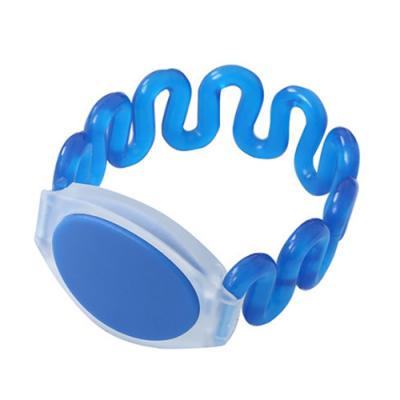
An RFID access control system is more than a card and a reader. The credential, reader, controller, lock hardware, and management software must work together. A card that reads correctly at the bench can still fail at the door if the frequency, chip protocol, data format, or controller setting does not match.
This guide is for buyers planning a new access system or replacing credentials in an existing installation. Use it to confirm the technical questions before ordering cards, fobs, wristbands, or readers.
Request a project quote | Send your reader and controller details
| Project Requirement | Typical Credential Direction | Confirm Before Ordering |
| Legacy or simple 125 kHz access | 125 kHz RFID card or fob | Reader model, chip type, ID format, and controller compatibility |
| Hotel, office, or campus card system | 13.56 MHz contactless card | ISO protocol, memory sectors, keys, and software setup |
| Parking lane or long-range vehicle ID | UHF or selected long-range RFID technology | Antenna position, vehicle material, interference, and read zone |
| Contact-reader machine or stored-data card | Contact IC card | Reader interface, memory map, PSC, and card-insertion durability |
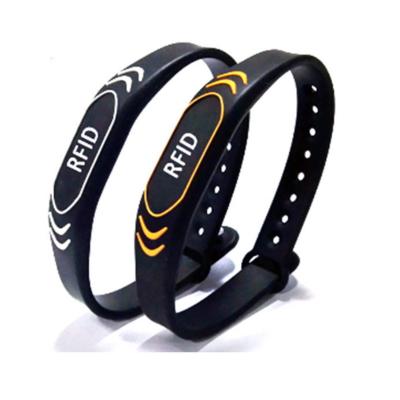
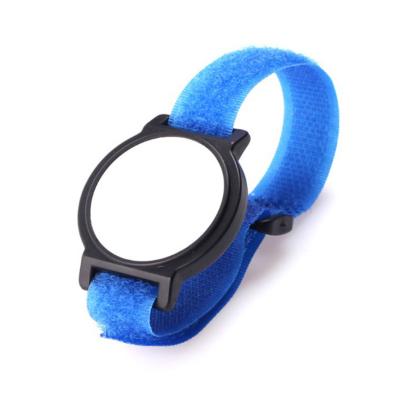
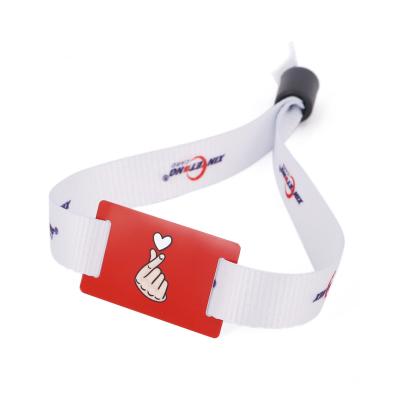
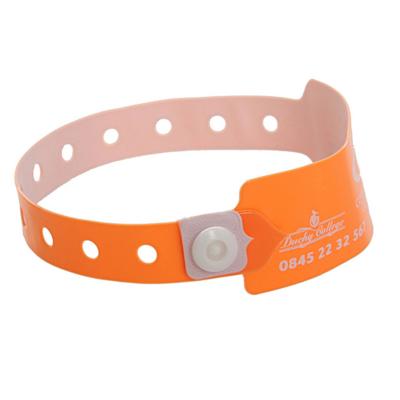
| Event, gym, resort, or wet environment | RFID card or wristband | Material, waterproofing, fit, printing, and reader compatibility |
Send the reader brand and model, controller or software details, existing card type, required ID format, and the read distance needed at the door. For replacement projects, include one working card and note whether the system uses sector keys, facility codes, or custom numbering.
Test one programmed credential at the actual entry point before ordering the full batch. A desk test confirms data exchange; a site test confirms antenna position, door hardware, and the user experience.
DAFTags supplies RFID cards, tags, wristbands, and custom credential products for access control and identification projects. Support can cover card printing, numbering, barcode, chip encoding, and compatibility checks before production.
Start with the reader and controller information, not only the card size. That reduces the risk of ordering cards that look correct but cannot be accepted by the installed system.
No. Readers support specific frequencies, chips, and protocols. A 125 kHz card and a 13.56 MHz card may look identical but will not work in the same reader unless the reader supports both.
Compatibility depends on the chip, data layout, security keys, and legal authorization. Send a working card and reader details so the project can be reviewed before any replacement order.
Read distance depends on the technology, reader power, antenna, credential orientation, door material, and surrounding interference. It should be tested at the actual installation point.
Yes. Logo, card number, barcode, QR code, magnetic stripe, and other card craft options can be discussed. The printed data and chip data should be approved together.
Provide the reader and controller details, card format, data layout, and security requirements. Encoding feasibility and testing requirements can then be confirmed.
Send the credential type, reader and controller details, required quantity, printing requirements, encoding format, delivery country, and one sample or clear photo of the current card.
Request a project quote | Share your reader, controller, and card requirements


 Tel : +86 15814022871
 Email : sales@daftag.com